Flies, trees, and chalk, oh my! : Adventures in teaching evolution

by Cheyenne Tait – I believe that a big part of being a scientist is being ready and willing to share your knowledge and passion with others. I was also inspired by the other members of NICE lab and their recent outreach activities with students in Sikkim and Bangalore. So I seized an opportunity to travel back to my own high school in the Catskill Mountains of New York state, to take over the high school biology class for two days near the end of their school year. They’d just finished talking about evolution, adaptation, and Darwin’s finches. So it was the perfect time to introduce them to the system I work in: the Rhagoletis genus of fruit flies.

It’s a topic that I could talk about for hours. Rhagoletis is a system containing various sibling species that evolved via either allopatric or sympatric mechanisms, with complex contributions from ice ages, parasitoids, and host-associated adaptations, amongst many other factors. But rather than simply talk, I gave the biology students the barest introduction to the flies, then had them try to recreate the evolutionary relationships of the genus, first only with the wing patterns, then knowing the host plant and biogeography of each species, then with mock genetic sequence information. And by the end, with all types of data, thinking and investigating like real biologists, they actually got close to the currently accepted phylogeny.

After they accomplished that, we took our workshop outside to the playground, and split into groups to create evolutionary trees of the birds – in chalk on the blacktop. They discovered that it was much more difficult with this expanded group of more distantly related organisms. Ultimately, no one’s tree was right or wrong, not with the little evidence that they had been given (pictures of the birds and some natural history). More importantly, they learned firsthand about the collaborative process of making and rejecting hypotheses.

Going back to my high school, teaching in the very same classroom where I first heard about Darwin’s finches approximately 10 years ago, was strange but exciting. Discussing the process of science with young people, especially the often misunderstood phenomenon of evolution is important. It wasn’t something that objectively needed to be done: their teacher was there and would have used the days to review for finals. However, in my opinion, yes, it was needed and yes, I would do so again.

Thanks to Mr. Ed McGee and his curious, enthusiastic 9th and 10th grade biology students for two awesome days of evolutionary biology!
Field Notes from our new Postdoc!

by Geetha – This is the start of something BEAUTIFUL.. My first field visit from the NICE lab is to ITPL.  While exploring Seetharamapalya lake, just next to ITPL, I caught glimpse of very common bees and butterflies. Well, I was excited to find our darling hoverfly, for which I went there. The crazy thing is, I was not familiar…

The secret behind the art of shifting sands.

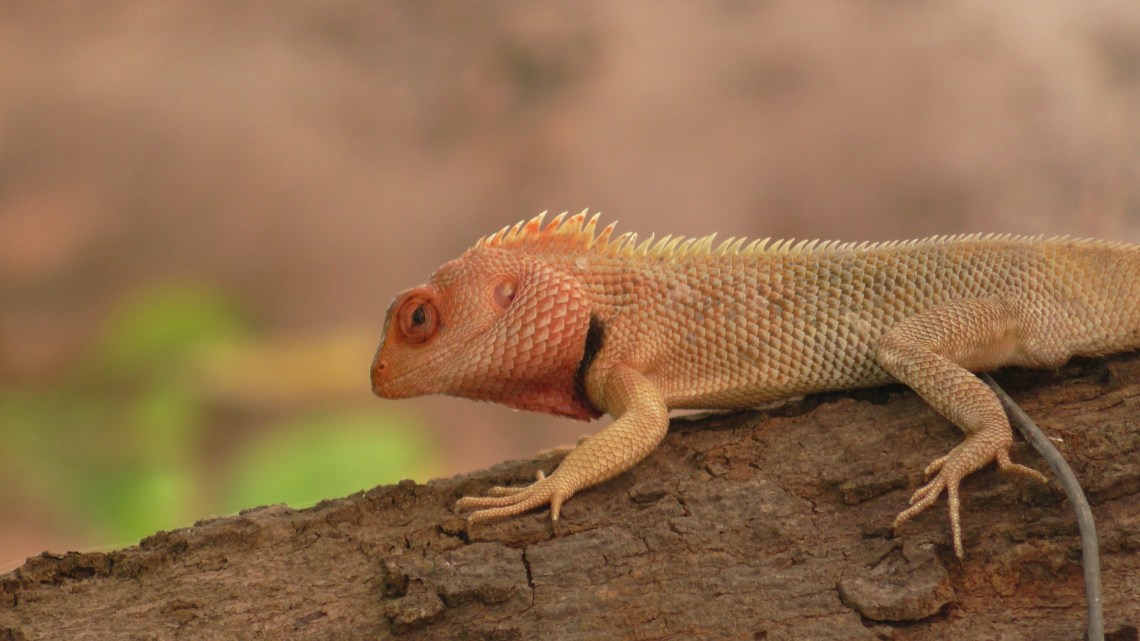
by Athul P Kurian – Do you like to be a social chameleon in life?

Just take a look at this. During my field work in Hesaraghatta, I found something interesting. Chameleons hunt with a lightning fast tongue, and take on the colour of what they touch, which helps them to blend into their surroundings. The colour-changing skin is also used for communication. The layer of pigmentary cells in the skin consists of nanosacle crystals that are arranged in a triangular lattice. The lattice can be tuned to alter the spacing between the crystals, which, in turn, affects the colour of light that the lattice of crystal reflects. You can read about this fascinating process here.

S2460010

NICE @ Lachen School, North Sikkim

by VS Pragadheesh – Recently, the NICE lab visited Government Secondary School, Lachen, North Sikkim and talked with the young minds of the Himalayas. The long discussion with Pragadheesh covered chemical cues of insects, pollination, hoverflies, sunflowers, horticulture and so on. The students at 2900 metre high were: Sunil Bhutia, Tashi N Lachenpa, Chakey L Lachenpa, Baichung Bhutia, Chewang D Lachenpa, Sonam K Lachenpa, Sudeshna Chetri, Kalawady Manger, Pema T Lachenpa, Tshering C Lachenpa and Tenzing D Lachenpa. All were very much interested about biological and ecological research.  We hope they will continue their interest and preserve and promote the amazing beauty of the Himalayas in their bright futures!
All the best Lachen School!
Lachen school

NICE Lab featured by ICTS!

The recent newsletter for the International Centre for Theoretical Sciences (TIFR) featured a story about the NICE lab.  Check if out here: ICTS-newsletter-vol-2-issue-1

Insect Walk for Vivriti Education Service

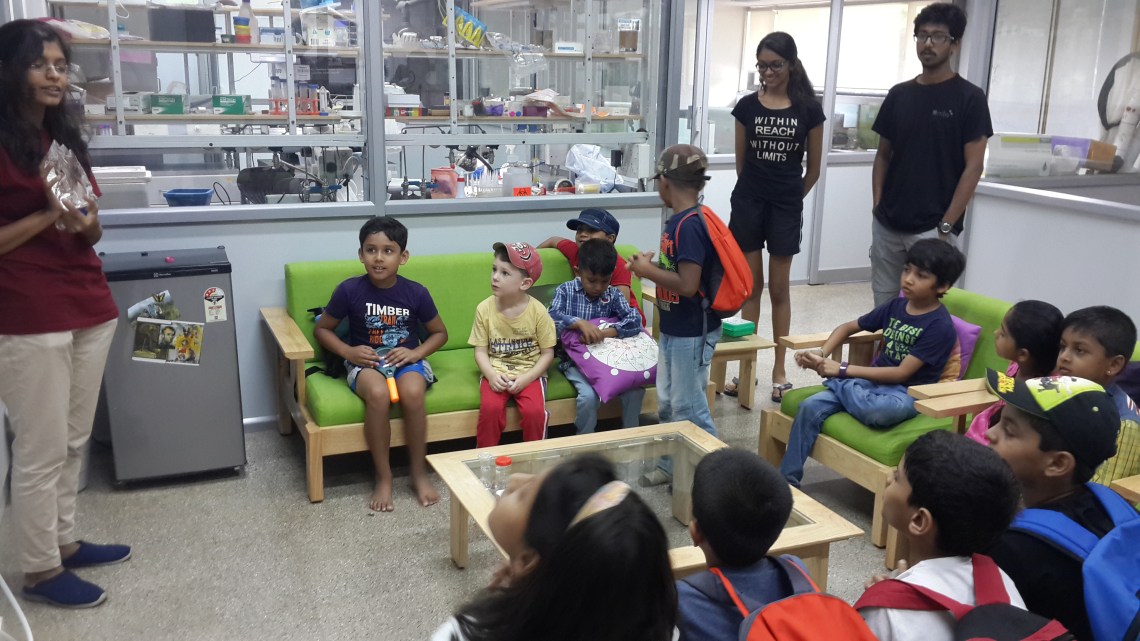
by Hinal Kharva – As a part of Vivriti School’s summer camp, kids got a chance to explore their curiosities on an insect walk at the National Center for Biological Sciences. As soon as they arrived, we could see that their tiny eyes had many questions; “where to look for insects?”, “where do they live?”, “what do they eat?”, “Do all insects bite?”

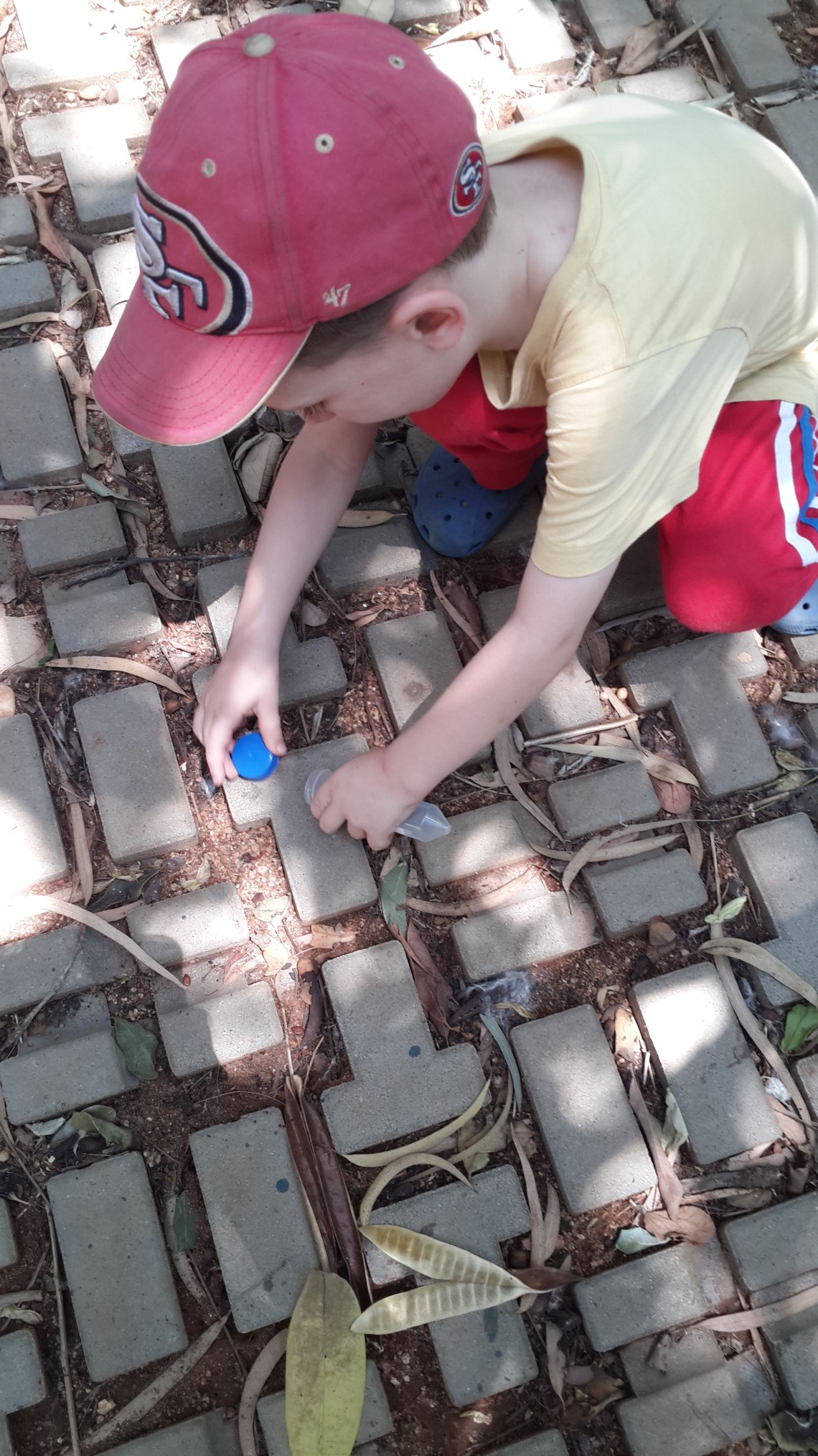
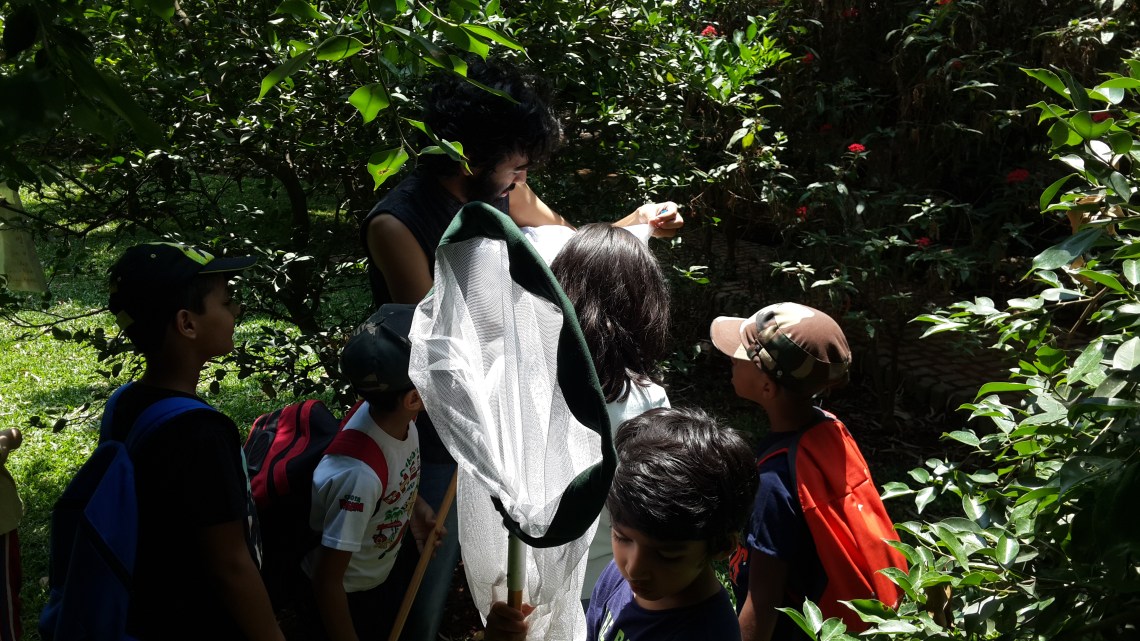
NICE lab members shared our knowledge about insects’ lifecycles, their habitat, their feeding habits, etc. We also helped children to find insects on campus and gave a task to collect insects from different places. They collected some beautiful butterflies, grasshoppers, bugs, ants, bees, and wasps to name a few. Everytime they found a new insect, they ran to us, asked about the name, and observed its behavior for a while. Children showed kindness towards insects by releasing them back unharmed. Other than solitary insects, kids also learned about honeybees and their colonies in the wild. Here, they learned how social insects live together, and how they collect nectar and pollen from flowers.

At the end, they visited the NICE lab and their excitement was incredible after seeing a small collection of preying mantises, ladybugs, oak moths, hoverflies, and Tephritid fruit flies. They had an opportunity to use a simple microscope to observe how different butterflies carry different patterns on their wings. They were amazed to see under the microscope for the first time. As their curiosity and questions never ended, we tried our best to satisfy their inquisitiveness.

It was really a wonderful, interactive and fun time with the kids. We are thankful to Emily Taylor, Jyotsna Arun and Archana Shetty for organizing this event with us!

2016-05-13 11.57.182016-05-13 11.22.512016-05-13 11.19.562016-05-13 11.14.22

Adorable Arachnids!

by Sriraksha Bhagavan – Are you someone who hates spiders or is scared of them? Have a look at these tiny, punk-haired eight-legged guys. They are adorable and cute!!

During my field work at Coffee plantations, apart from the beetle that I work on, something else caught my attention. Jumping from one leaf to another, hunting on tiny bugs around, and hiding behind the leaves, these Salticids kept me amazed!! They are somehow less creepy compared to a Tarantula 🙂

When I got closer to these guys they lived up to their name, with a super quick jump they vanish. I got curious and looked around for more, and each species I saw for the first time is a tiny jewel. They had pretty huge, glossy, beautiful 8 eyes (4 on the front and 4 at the back) that seemed to follow wherever I moved.

The next time you see a jumping spider, do not get scared. It is more interested hunting its prey than biting you!!


Sleep and I

[Editor’s Note:  This is a musing by one of our lab members who performed her undergraduate thesis on insect sleep in the lab]

by Sanofer A – Sleep, a state of rest, has been conserved across the tree of life, over a grand scale of time that spans a three and half billion years of life on earth. It is as essential an activity as breathing and eating. All living things possess their own sense of time and are hard-wired for a daily rhythm of rest and activity. As the sun goes down in the west, we enter a state of passivity and then at dusk, we return to the normal life. For a behavior that involves almost 25 years of human lifetime, let alone the cat that sleeps 16 hours a day, (except the suppositions we have about the “primordial purpose” it serves) we do not yet know why all animals sleep despite the risks being involved in the process. It’s like when I go to sleep, I’m literally saying, “Good night! Now I’m going to go lie down in my bed and lose command over everything I know and if you hate me, this is probably the best time to kill me”. Like, you go to bed at night, and later in the morning you find that the person who lies next to you is dead and cold. Isn’t that pretty scary? If I were an alien ( No, not ET or Yoda ) that never knew about sleep, I would probably think it’s a neurological disease where people have these “mind adventures”, called dreams, that sometimes get too real and they wake up screaming, glad it wasn’t real. And then they would drink a lot of coffee.

Jokes apart, sleep means different things to different people. For some, it is an escape from reality. For others, it is an opiate that helps them forget their troubles for a little while. For some others, sleep is oblivion. And for me, sleep is God. Like they say, it is really the best of both worlds you can get. And now I leave you with a little poem that I wrote this morning at 3.30 AM (Yes, I’m an insomniac who works on sleep behavior in insects).

Shannon and I

Interested in the fly

Are on a mission

To figure out the sleep definition

Don’t you think that

This is about

Sleep and I

But about sleep and the fly

So I take a little peep

As they sleep

Probably making some wishes

To escape from the petri dishes

And then we wonder, in their sleep

Do insects dream of six legged sheep?


The fact that these

Little flies and bees

Sleep just like us

Never fails to impress

It makes me think a bit too deep

About this enigma called sleep

That exists across the animal kingdom

Sleep, for it gives rise to true wisdom

So breathe in and breathe out

And then think about

“Death, so called is a thing which makes men weep,

And yet a third of life is passed in sleep”….